



Patient Resources
Review information, resources and connections to help you get the most out of your care.
Building a Differentiated Oncology Pipeline
Our Oncology research is centered on novel biologic targets and pathways in high-incidence cancers, including colorectal, pancreatic and ovarian cancers. We are exploring both single agent and combinations of targeted and immuno-therapies from within and beyond our portfolio. Our focused pipeline is designed to broaden treatment possibilities for patients in areas where we believe we can have the greatest impact.
Research and Development Highlights
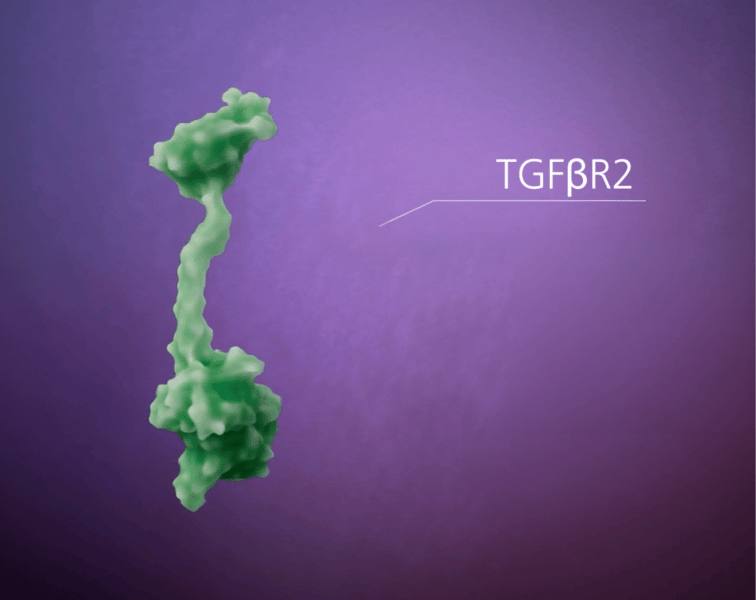
INCA33890 (TGFßR2xPD-1)
INCA33890, an investigational TBFBR2xPD1 bispecific antibody being developed in collaboration with Genmab, could offer a promising treatment strategy for patients with advanced or metastatic solid tumors, including microsatellite stable (MSS) colorectal cancer, a large patient population with high unmet medical need. INCA33890 is designed to block TGF-β signaling specifically in T cells that also express PD-1. TGF-β helps tumors evade the immune system and is linked to poor responses to anti-PD-(L)1 therapies. By targeting only these specific T cells in the tumors, INCA33890 aims to preserve normal TGF-β activity in healthy tissues and avoid the toxicity seen with broader TGF-β inhibition.
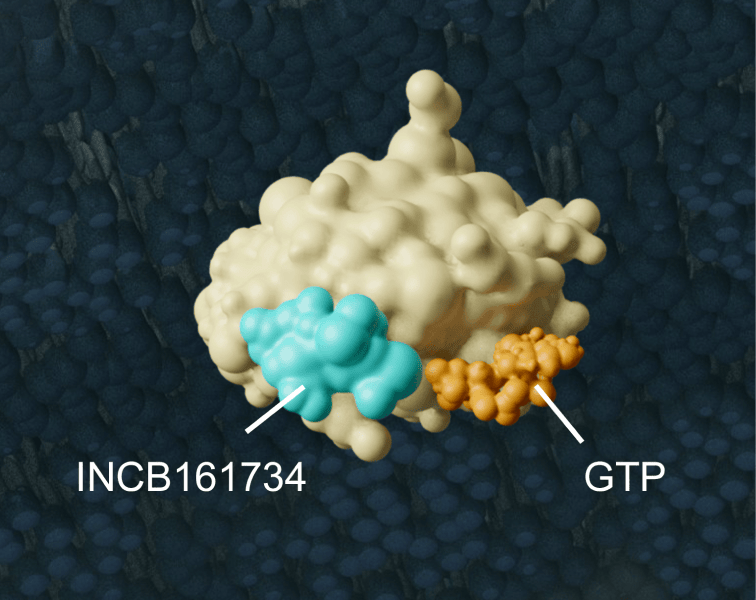
INCB161734 (KRASG12D)
We are evaluating a novel, highly-selective and orally bioavailable small molecule inhibitor targeting G12D-mutated KRAS in patients with pancreatic ductal adenocarcinoma (PDAC). KRAS is one of the most frequently altered driver oncogenes in solid tumors. The G12D mutation, which represents approximately 40% of oncogenic KRAS mutations in patients with PDAC, is associated with aggressive tumor phenotypes and poor clinical outcomes.1
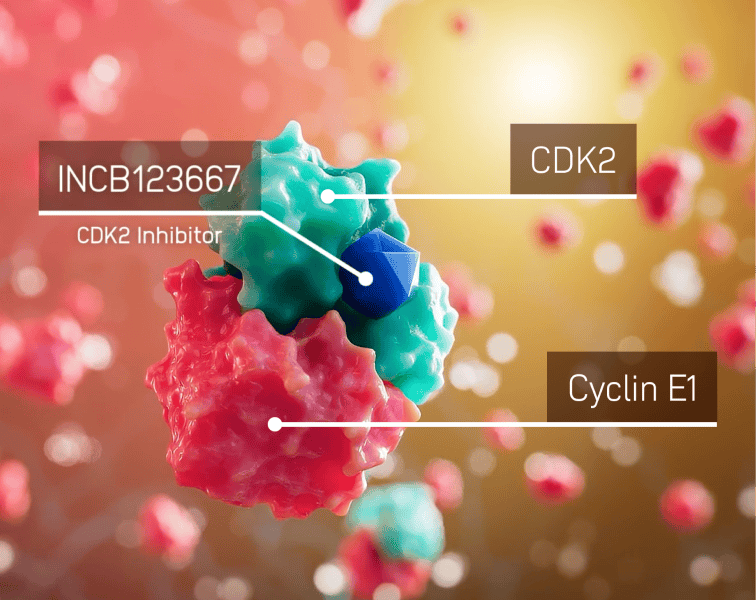
INCB123667 (CDK2)
Incyte is advancing a highly selective, potential first-in-class CDK2 inhibitor in patients with advanced solid tumors, including platinum-resistant ovarian cancer (PROC).






Oncology Focus Areas
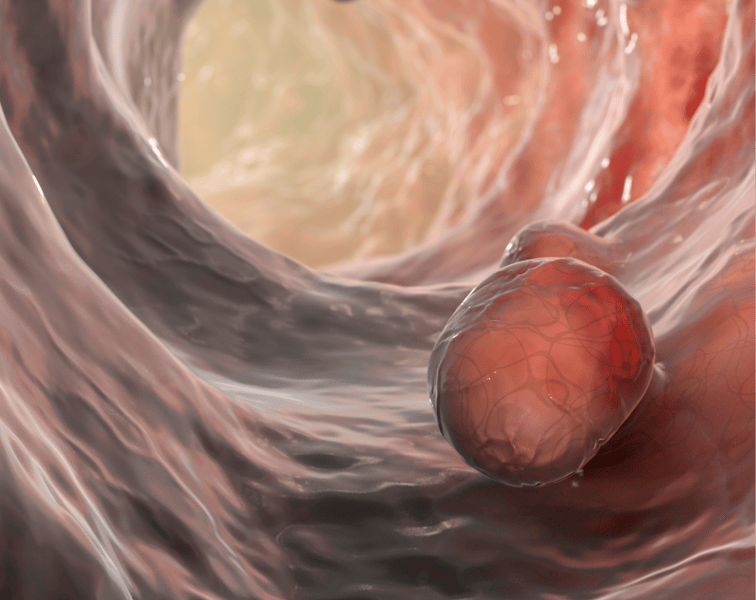
Microsatellite Stable (MSS) Colorectal Cancer
Colorectal cancer is the third most common cancer and the second leading cause of cancer-related mortality worldwide.2 MSS colorectal cancer accounts for 90-95% of patients with metastatic colorectal cancer.3 While immunotherapy has improved outcomes for 5-10% of patients who have Microsatellite Instability-high (MSI-H) type of colorectal cancer, it has been largely ineffective for MSS colorectal cancer.3,4 The 5-year survival rate for metastatic MSS colorectal cancer is only approximately 15%.4
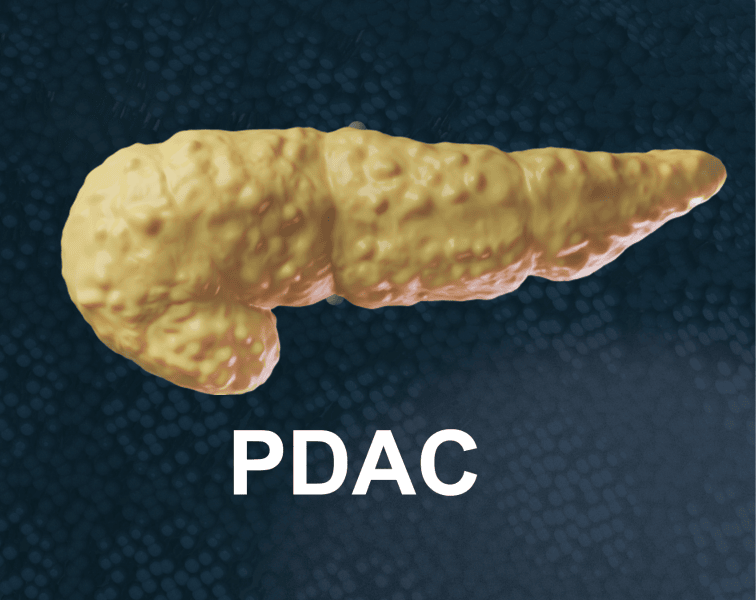
Pancreatic Ductal Adenocarcinoma (PDAC)
PDAC is a highly aggressive cancer and represents over 90% of all pancreatic cancer cases.5 It is frequently diagnosed at a late stage due to its asymptomatic early development.6 Patients with G12D-mutated PDAC currently have an average five-year survival rate of less than 10 percent.7
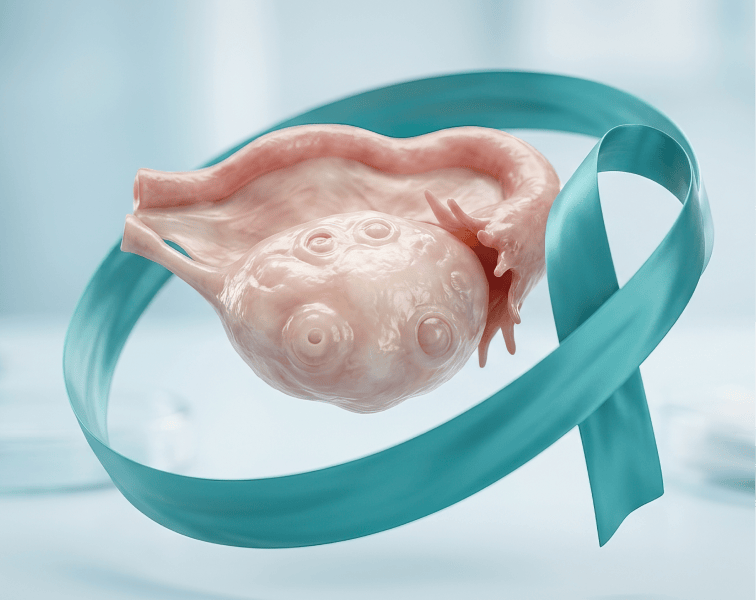
Platinum-resistant Ovarian Cancer (PROC)
PROC is recurrent ovarian cancer following progression on platinum-based chemotherapy.8 Patients with PROC have limited treatment options and derive only modest benefit from available therapies, leading to poor clinical outcomes and survival.9,10 As a result, there remains a significant unmet need for more effective treatment approaches.11